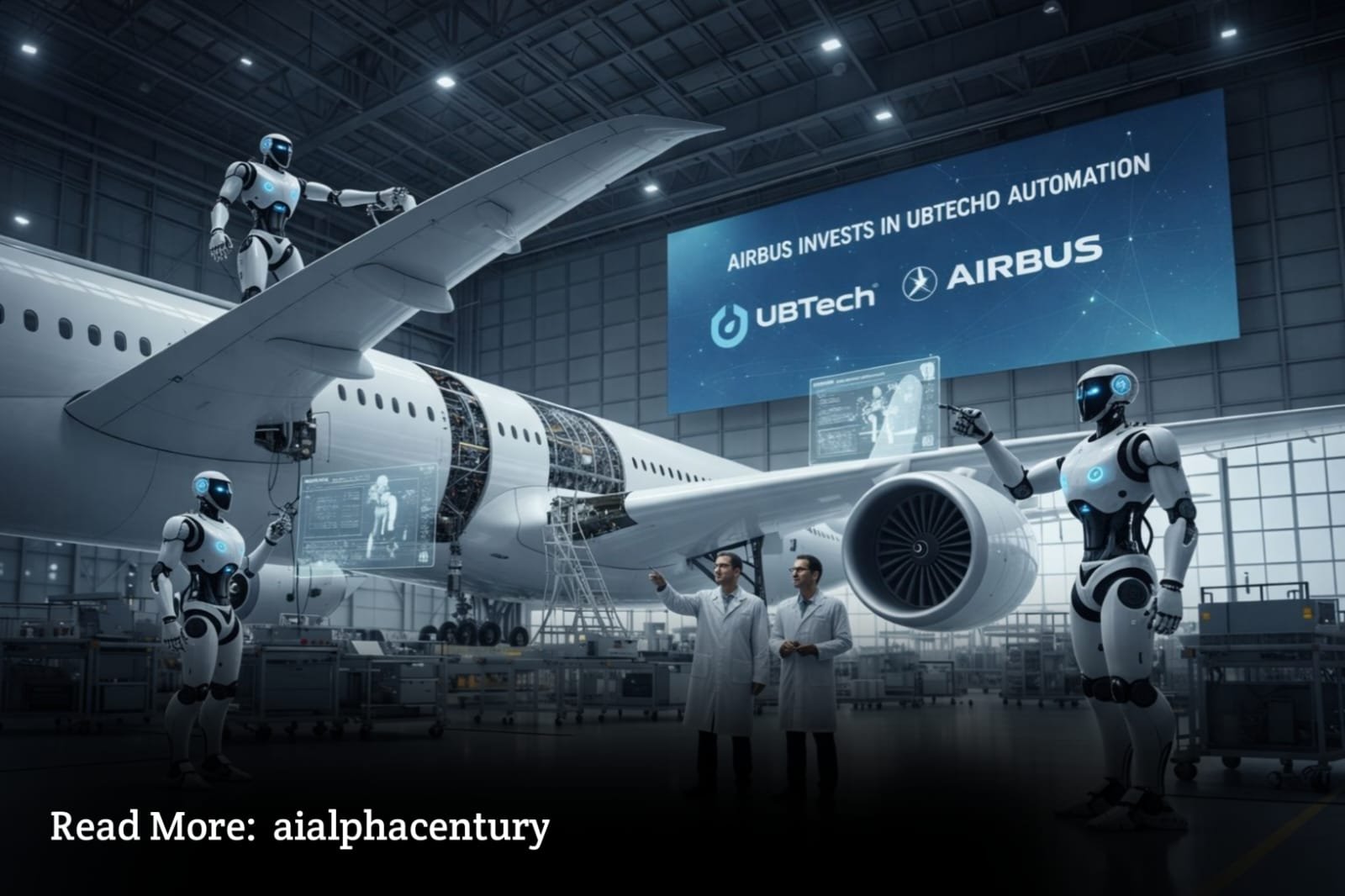
The aviation industry is entering a transformative era where robotics and artificial intelligence are reshaping how aircraft are designed and manufactured. Airbus, one of the world’s leading aerospace manufacturers, has taken a bold step by investing in six-figure humanoid robots from UBTech. This move signals a shift toward smarter, more efficient production systems that could redefine the future of aerospace engineering.
The Rise of Humanoid Robots in Aerospace Manufacturing
Humanoid robots are no longer confined to research labs or sci-fi imagination. With advancements in AI, machine vision, and precision engineering, these robots are now capable of performing complex industrial tasks. Airbus’ adoption of UBTech robots highlights a growing trend: integrating human-like machines into highly technical environments.
Unlike traditional robotic arms, humanoid robots are designed to mimic human movement. This allows them to operate in existing factory setups without requiring massive infrastructure changes. They can walk, handle tools, and perform intricate assembly tasks—making them ideal for aircraft production lines.
Why Airbus Is Investing in UBTech Robots
Airbus faces constant pressure to increase production rates while maintaining strict safety and quality standards. By introducing humanoid robots, the company aims to:
- Improve efficiency: Robots can work continuously without fatigue, reducing production time.
- Enhance precision: Advanced sensors and AI enable highly accurate assembly processes.
- Reduce human risk: Dangerous or repetitive tasks can be handled by robots, minimizing workplace injuries.
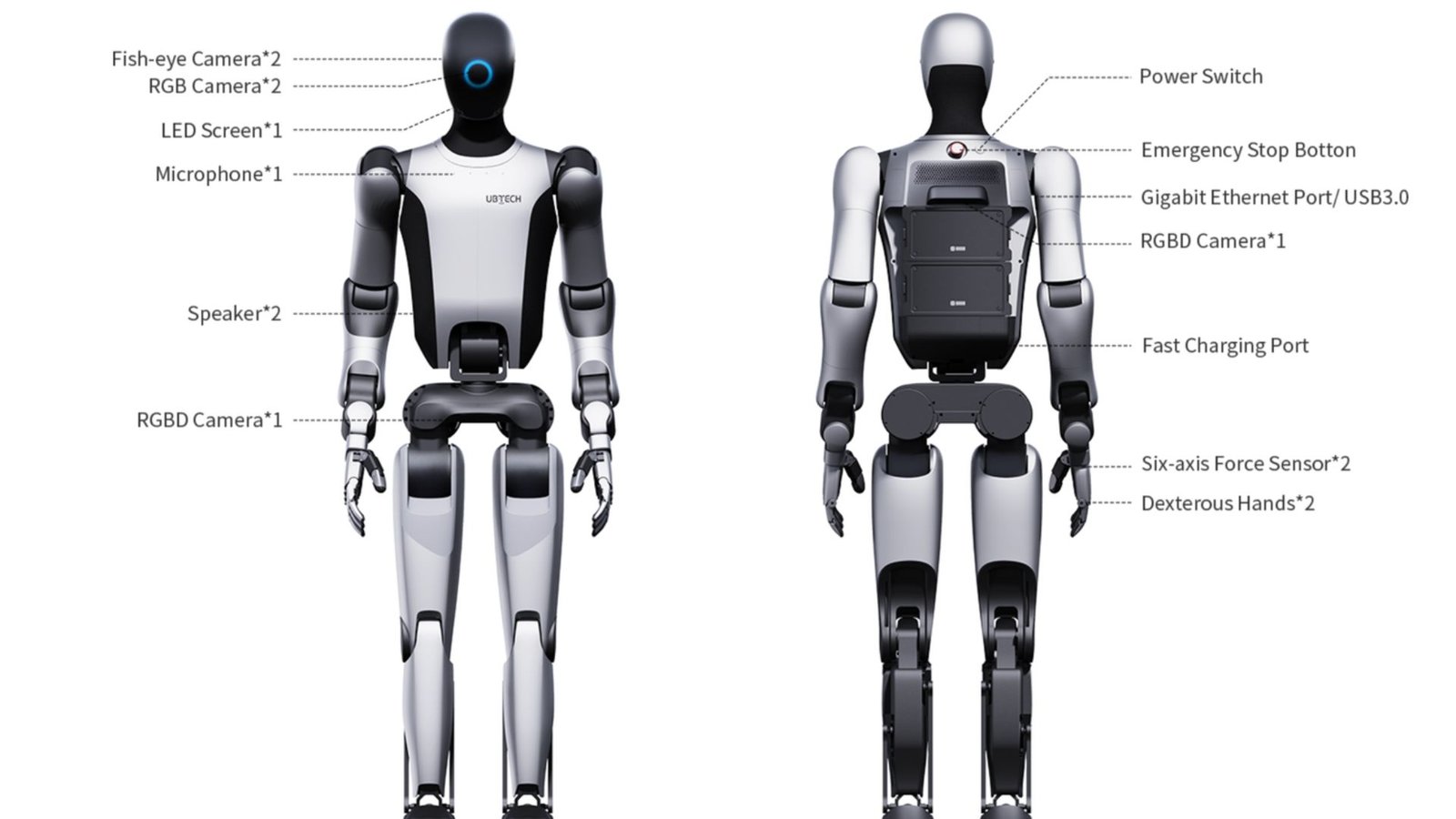
UBTech’s robots, reportedly costing six figures each, are equipped with cutting-edge AI systems that allow them to adapt to dynamic environments—an essential requirement in aircraft manufacturing.
How Humanoid Robots Are Used in Aircraft Production
The role of humanoid robots in Airbus factories goes beyond simple automation. These robots are being deployed for:
- Drilling and fastening components with high precision
- Inspection and quality control using computer vision
- Material handling in complex assembly lines
- Maintenance support in hard-to-reach areas
Their ability to collaborate with human workers makes them particularly valuable. Instead of replacing jobs entirely, these robots act as assistants, enabling workers to focus on higher-level tasks that require decision-making and creativity.
The Impact on the Future of Aviation
The integration of humanoid robots could significantly accelerate aircraft production, helping Airbus meet growing global demand. As air travel continues to expand, manufacturers must find ways to scale operations without compromising safety.
Moreover, this innovation could lead to:
- Lower production costs in the long term
- Faster delivery timelines for airlines
- More consistent product quality
- Increased competitiveness in the aerospace market
This move also sets a precedent for other manufacturers, potentially triggering a wave of robotic adoption across the industry.
Challenges and Considerations
Despite the benefits, integrating humanoid robots into aerospace manufacturing is not without challenges. High initial costs, technical limitations, and the need for specialized maintenance are key concerns. Additionally, companies must ensure seamless collaboration between human workers and robots to avoid operational disruptions.
There are also broader implications regarding workforce adaptation. Employees will need to upskill to work alongside advanced robotics, emphasizing the importance of training and education.
Conclusion: A New Era of Smart Manufacturing
Airbus’ investment in UBTech humanoid robots marks a significant milestone in the evolution of industrial automation. By combining human intelligence with robotic precision, the company is paving the way for a smarter, safer, and more efficient future in aviation manufacturing.
As technology continues to advance, humanoid robots may soon become a standard feature in factories worldwide—transforming not just how airplanes are built, but how industries operate as a whole.