The Future of AI in 2030 is expected to bring one of the biggest technological revolutions in human history. Artificial Intelligence is advancing rapidly, enabling smarter AI agents, autonomous robots, intelligent healthcare, personalized education, and groundbreaking scientific discoveries. As AI continues to evolve, experts predict it will transform nearly every industry and significantly impact our daily lives.
But if today’s AI feels impressive, the next decade promises an even greater transformation.
By 2030, Artificial Intelligence is expected to influence nearly every industry, from healthcare and education to transportation, manufacturing, and scientific research. AI systems will become more autonomous, personalized, and deeply integrated into our daily lives. Businesses will rely on AI for decision-making, governments will use it to improve public services, and individuals will benefit from smarter digital assistants than ever before.
The question is no longer whether AI will change the world, but how profoundly it will reshape society.
In this article, we’ll explore 15 bold yet realistic predictions about the future of AI in 2030 and what they could mean for businesses, workers, and everyday life.
Table of Contents
Future of AI in 2030: What to Expect
The Future of AI in 2030 is expected to redefine the way people live, work, and interact with technology. Artificial Intelligence is rapidly evolving beyond simple automation, becoming more intelligent, autonomous, and capable of solving complex real-world problems. Over the next decade, AI is likely to become an essential part of everyday life, powering everything from smart healthcare systems and personalized education to autonomous transportation and advanced business operations. As innovation accelerates, AI will no longer be just a toolit will become a trusted collaborator across industries.
AI Agents Will Become Everyday Digital Employees
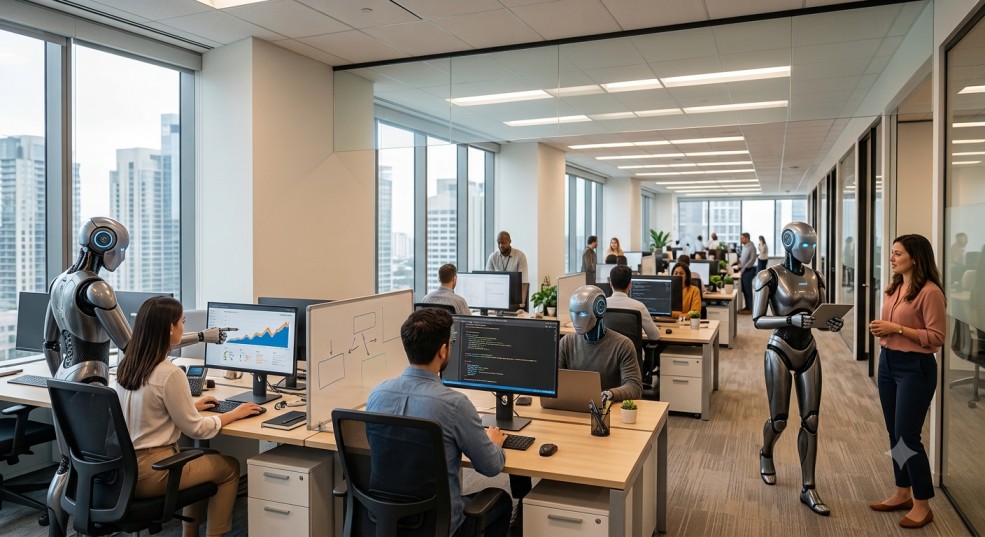
One of the biggest technological shifts expected by 2030 is the widespread adoption of AI agents.
Unlike today’s chatbots, AI agents can perform complex tasks independently. They can plan projects, analyze information, communicate with other software, schedule meetings, generate reports, and make decisions with minimal human intervention.
Imagine starting your workday by assigning tasks to an AI assistant:
“Analyze last month’s sales, create a presentation, send follow-up emails, and schedule meetings.”
Instead of switching between multiple applications, your AI agent will handle everything automatically.
Major technology companies are already investing heavily in autonomous AI systems, making this future much closer than many people realize.
Impact
- Increased workplace productivity
- Faster business operations
- Lower operational costs
- More personalized digital assistants
2. Every Business Will Use AI Automation
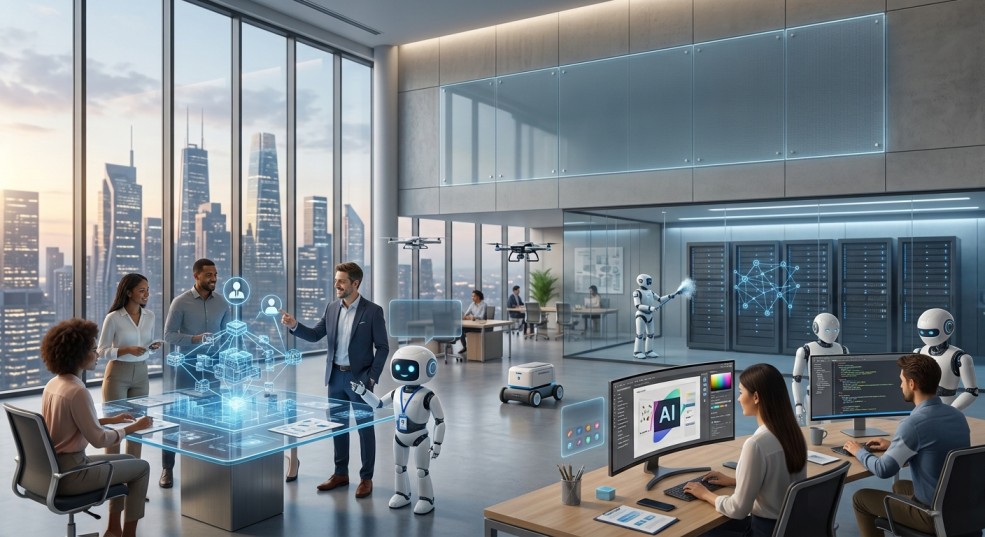
By 2030, AI will become as essential to businesses as electricity or the internet.
Small startups and multinational corporations alike will automate repetitive tasks using AI-powered workflows.
Businesses will use AI to:
- Handle customer support
- Analyze financial reports
- Predict customer behavior
- Generate marketing campaigns
- Optimize inventory
- Detect fraud
- Improve decision-making
Companies that fail to adopt AI may struggle to remain competitive in an increasingly automated economy.
AI won’t replace every employee, but it will significantly enhance productivity across nearly every department.
3. Humanoid Robots Will Enter the Workforce
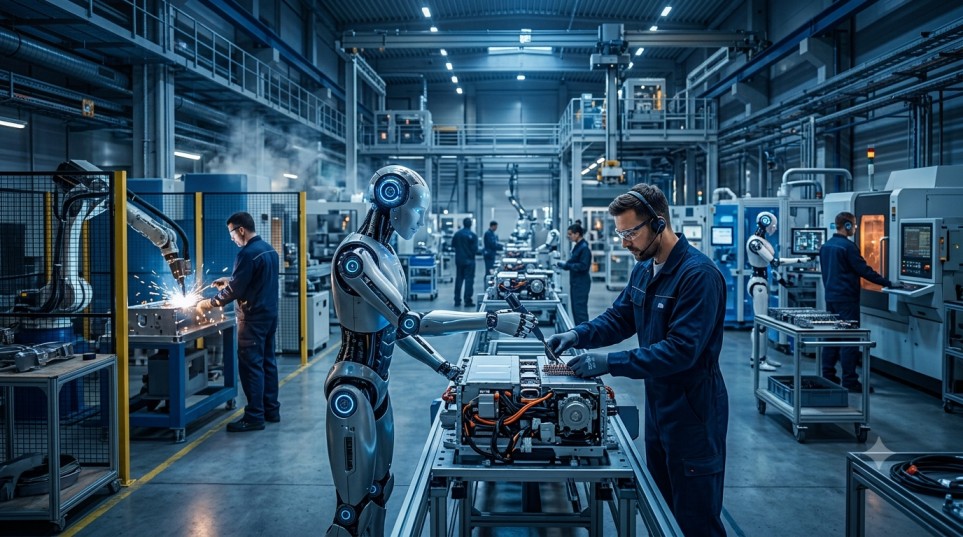
Humanoid robots are rapidly evolving from research prototypes into practical workers.
By 2030, robots designed to resemble humans could become common in warehouses, hospitals, factories, hotels, and retail stores.
These machines will perform repetitive, dangerous, and physically demanding tasks while working safely alongside humans.
Industries likely to adopt humanoid robots include:
- Manufacturing
- Logistics
- Healthcare
- Hospitality
- Construction
- Elderly care
As production costs decrease, humanoid robots may become affordable for medium-sized businesses as well.
Rather than replacing every worker, these robots are expected to fill labor shortages and improve workplace safety.
4. AI Will Revolutionize Healthcare
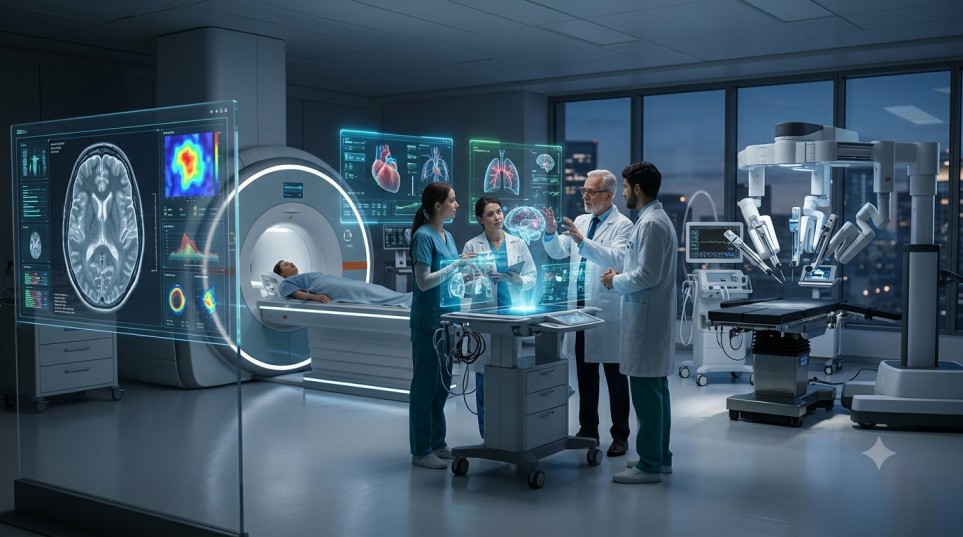
Healthcare could become one of the biggest beneficiaries of Artificial Intelligence.
By 2030, AI systems may assist doctors by analyzing medical scans, predicting disease risks, recommending treatments, and accelerating drug discovery.
Potential applications include:
- Early cancer detection
- Personalized treatment plans
- AI-assisted surgeries
- Continuous patient monitoring
- Virtual healthcare assistants
- Faster diagnosis of rare diseases
AI can process millions of medical records within seconds, enabling physicians to make more informed decisions while reducing diagnostic errors.
This doesn’t replace doctors—it provides them with powerful decision-support tools.
5. Personalized AI Education Will Replace Traditional Learning Models
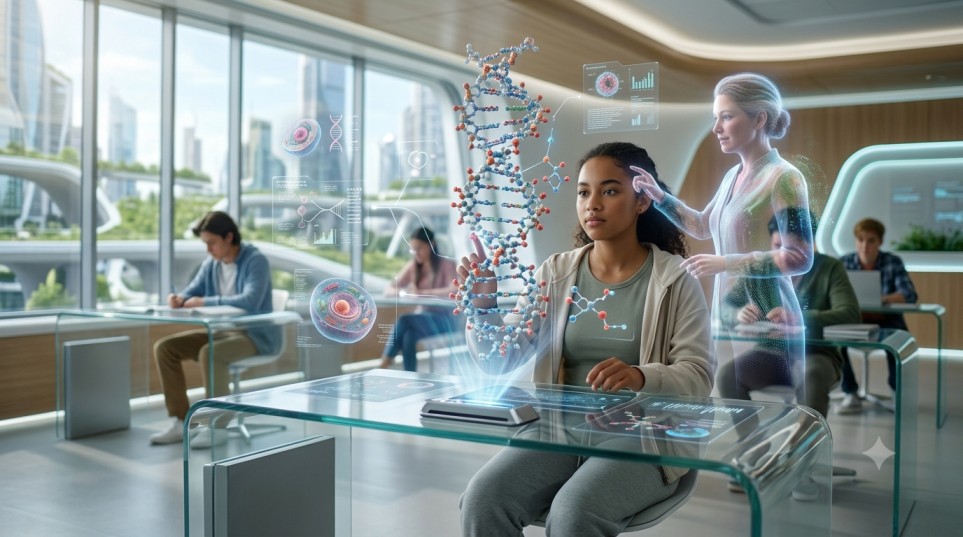
Education is likely to become far more personalized with the help of AI.
Instead of every student following the same curriculum at the same pace, AI tutors will adapt lessons based on each learner’s strengths, weaknesses, interests, and progress.
Students may receive:
- Personalized lesson plans
- Instant feedback
- Interactive simulations
- AI-generated practice tests
- Real-time language translation
- Virtual learning companions
Teachers will increasingly focus on mentoring, creativity, and critical thinking while AI handles routine instruction and assessment.
What’s Coming in Part 2
In the next installment of this series, we’ll explore the next wave of AI innovations that are expected to shape the world by 2030, including:
- Autonomous Transportation
- AI-Powered Scientific Discoveries
- The Future of Cybersecurity with AI
- AI in Software Development
- Artificial Intelligence in Creative Industries
- Smart Cities Powered by AI
- Artificial General Intelligence (AGI)
- AI Governance and Global Regulations
- The Future of Jobs and Human–AI Collaboration
Stay tuned as we continue exploring the technologies that could redefine our future.