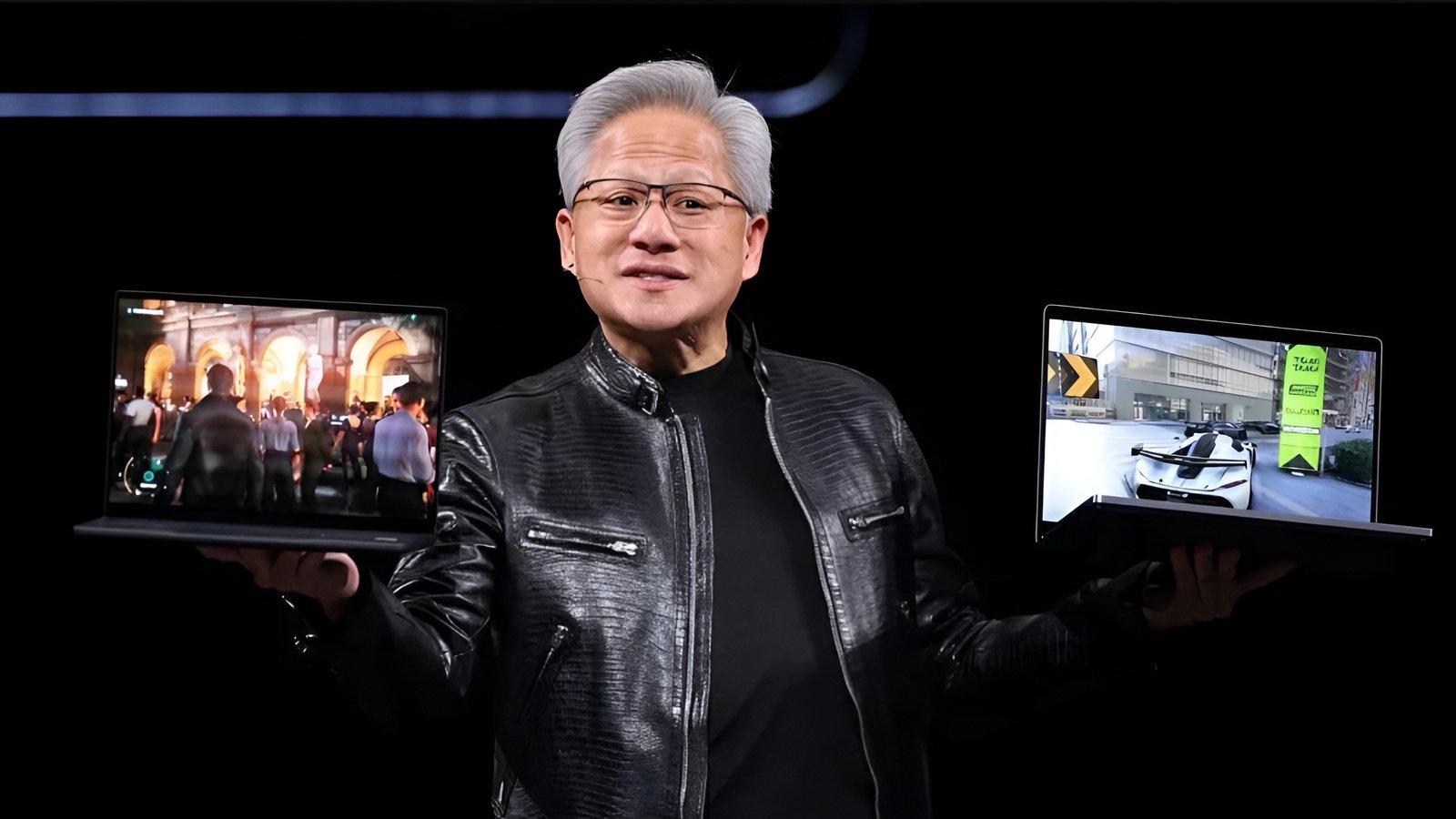
NVIDIA has officially entered the consumer AI PC race with the announcement of its new RTX Spark chip, a processor designed to bring advanced artificial intelligence capabilities directly to personal computers.
During his keynote speech at the Computex technology exhibition in Taipei, NVIDIA CEO Jensen Huang described the launch as a major milestone for the computing industry. According to Huang, the transformation driven by AI-powered PCs could be as significant as the shift from traditional mobile phones to modern smartphones.
The RTX Spark is designed specifically for the age of personal AI agents. Rather than simply acting as a tool, NVIDIA envisions future computers becoming intelligent teammates capable of understanding tasks, automating workflows, and assisting users in real time. The company calls the RTX Spark a “superchip” built to power this next generation of AI-driven computing experiences.
Several major PC manufacturers are already preparing to adopt the new technology. Companies including Lenovo, HP, Dell, Microsoft Surface, Asus, and MSI are expected to release Windows PCs powered by the RTX Spark later this year, while Acer and Gigabyte will launch compatible models shortly afterward.
NVIDIA’s move places it in direct competition with established PC industry leaders such as Apple and Intel. The company is betting that AI-powered computing will become the next major upgrade cycle for consumers and businesses alike.
The announcement comes at a pivotal time for NVIDIA, as the United States recently tightened restrictions on the sale of the company’s most advanced AI chips to Chinese firms. Despite these geopolitical challenges, NVIDIA continues to expand its influence beyond data centers and into everyday consumer devices.
With AI rapidly becoming a core feature of modern technology, the RTX Spark could mark the beginning of a new era where personal computers evolve from simple productivity tools into intelligent digital companions.
Why NVIDIA’s New Chip Changes Everything
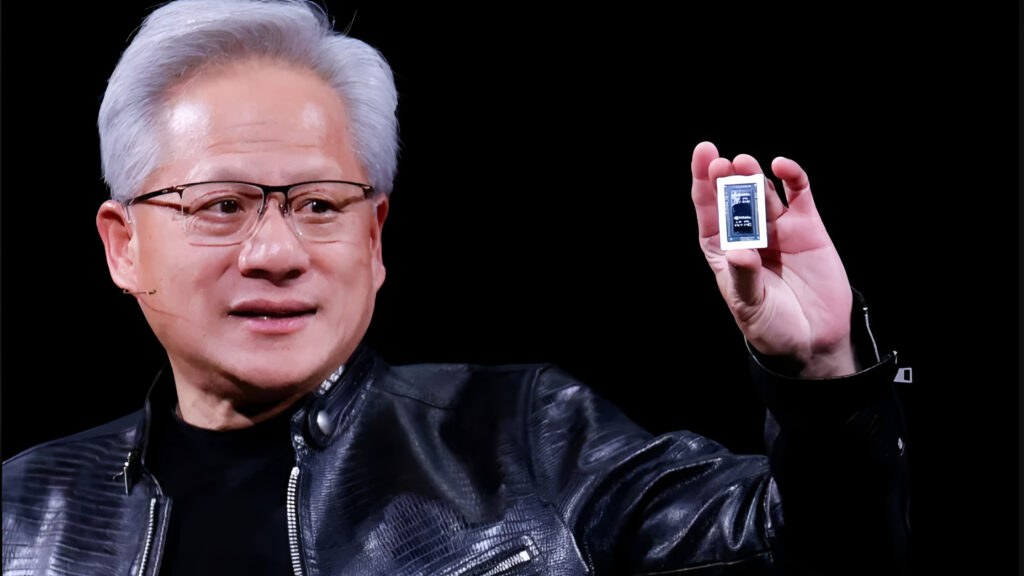
For decades, NVIDIA has been known as the company behind some of the world’s most powerful Graphics Processing Units (GPUs). Originally built to render realistic graphics in video games, these chips have evolved into the backbone of modern artificial intelligence, powering everything from ChatGPT-like models to advanced robotics and autonomous systems.
Now, NVIDIA is taking its biggest step yet beyond traditional hardware. With the introduction of the RTX Spark chip, the company is no longer just supplying components for other manufacturers—it is positioning itself as a key architect of the future PC experience.
Industry experts believe this move could reshape the personal computer market. Charlie Dai, Vice President and Principal Analyst at Forrester, described NVIDIA’s strategy as a major shift from being a chip supplier to becoming an influential platform owner. In other words, NVIDIA wants to help define how future AI-powered computers are built, not simply provide the processors inside them.
That ambition puts the company in direct competition with long-established PC leaders such as Intel, AMD, and Qualcomm. As AI becomes a central feature of modern computers, competition is expected to intensify around performance, power efficiency, and the seamless integration of artificial intelligence into everyday computing.
However, not everyone believes AI-powered PCs will immediately become mainstream. According to industry analyst Ian Fogg of CCS Insight, systems powered by the RTX Spark chip are likely to carry premium price tags. Early adopters will probably include AI developers, researchers, content creators, engineers, and professionals who require workstation-level performance rather than casual users.
A major part of NVIDIA’s vision relies on its growing partnership with Microsoft. Together, the two companies aim to create a secure Windows ecosystem specifically optimized for AI agents intelligent software assistants capable of handling tasks autonomously. These agents could schedule meetings, summarize documents, analyze data, generate content, write code, and manage workflows with minimal human intervention.
Microsoft CEO Satya Nadella emphasized this vision by stating that the company’s goal is to deliver “unmetered intelligence” to every home and workplace. The RTX Spark platform represents a significant step toward making AI a built-in feature of every computer rather than a cloud-based service accessed through a browser.
For developers, the announcement may be even more significant. Semiconductor analyst Dr. Ian Cutress noted that by bringing NVIDIA hardware directly into Windows notebooks, the company is creating a compelling ecosystem for AI development. Developers who build applications using NVIDIA’s software frameworks, tools, and hardware may find it easier and more efficient to remain within NVIDIA’s ecosystem rather than switching to competing platforms.
This strategy mirrors the approach taken by some of the world’s most successful technology companies. By controlling both the hardware and software experience, NVIDIA can optimize performance, accelerate innovation, and strengthen customer loyalty.
The bigger picture is clear: AI is no longer confined to massive data centers or cloud servers. It is rapidly moving onto personal devices. Future computers won’t simply run applications they will understand context, automate repetitive work, assist with decision-making, and act as intelligent digital teammates.
If smartphones defined the last generation of technology, AI-powered PCs could define the next. With RTX Spark, NVIDIA is betting that the future of computing won’t just be faster computers it will be smarter ones.